Thinking about buying a historic home in Bartow? You’re not alone. The city’s tree-lined streets, classic porches, and early 1900s architecture have a special pull. You want character, but you also want a smooth purchase and a smart plan for maintenance and upgrades. This guide gives you the steps, checks, and resources you need to buy confidently and protect what makes these homes special. Let’s dive in.
What “historic” means in Bartow
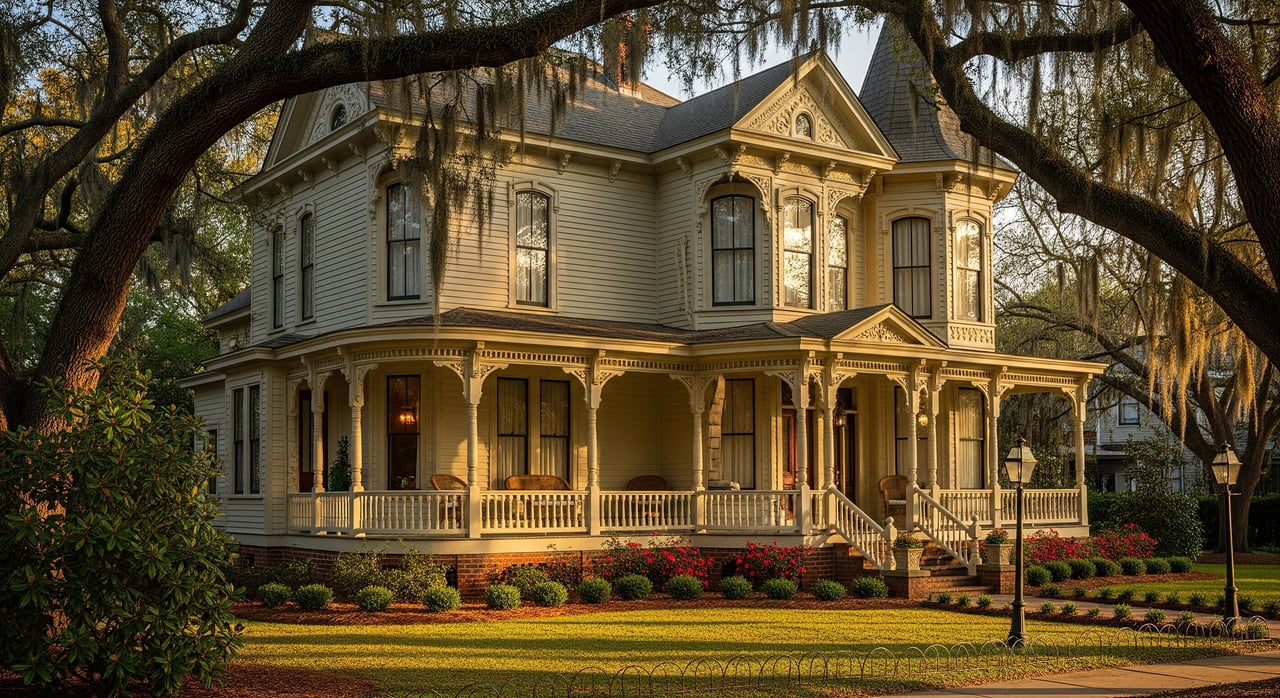
Bartow’s older neighborhoods feature Victorian, Craftsman/Bungalow, Colonial Revival, and vernacular wood-frame homes from the late 1800s and early 1900s. You’ll often see original wood windows and trim, wide porches, plaster walls, masonry chimneys, and decorative millwork.
Some properties are individually recognized, while others contribute to a local historic district. A National Register listing does not, by itself, restrict what you do as a private owner. Local designation is what usually triggers design review for exterior changes.
Confirm historic status and rules
Before you write an offer, verify the home’s designation and any review requirements. This helps you plan renovations, timelines, and costs.
- Ask the City of Bartow planning or historic preservation staff if the property sits in a local historic district.
- Request any design guidelines and find out if exterior changes need a Certificate of Appropriateness.
- Confirm whether any easements, covenants, or past approvals affect the property.
Inspection priorities for older homes
A standard home inspection is not enough for many historic houses. Add specialists and be thorough.
Structure and envelope
- Foundation and piers: Look for settlement, rot in pier-and-beam supports, and drainage issues.
- Framing and floors: Note uneven floors, sagging, or evidence of prior repairs and wood rot.
- Roof and attic: Check roof age, flashing, ventilation, and any signs of leaks or staining.
- Siding and porches: Inspect wood siding, trim, and porch framing for rot or material changes.
Systems and utilities
- Electrical: Watch for knob-and-tube or cloth-insulated wiring, lack of grounding, and overloaded panels.
- Plumbing: Identify galvanized steel, lead service lines, or cast-iron waste lines that may be corroded.
- HVAC: Review age, duct placement, and cooling capacity for Florida’s climate.
- Insulation and windows: Expect minimal insulation and single-pane windows; plan upgrades that respect historic materials.
Hazards and health
- Lead-based paint: Homes built before 1978 often contain lead paint. Plan for safe work practices or abatement during renovations.
- Asbestos: Possible in older pipe wrap, floor tiles, ceiling textures, and select roofing or siding.
- Moisture and mold: Florida humidity increases risk. Check crawlspaces, attics, and behind exterior walls.
Termites and WDO
- Order a licensed Wood-Destroying Organism inspection. Termites and other WDOs are a known risk in Florida.
Site and flood
- Evaluate grading, gutters, and standing water. Confirm the FEMA flood zone and whether flood insurance will be needed.
Permits and past work
- Ask for documentation on repairs, additions, and system upgrades. Unpermitted work can complicate financing, insurance, and resale.
Specialists to include in contingencies
- Structural engineer
- Licensed electrician and plumber
- Certified termite/WDO inspector
- Lead paint risk assessor and asbestos inspector (as relevant)
- HVAC contractor with historic-home experience
Insurance and financing in Florida
Older homes are insurable, but you should start early to avoid surprises.
Insurance basics
- Older wiring or plumbing can raise premiums or limit coverage. Some carriers require upgrades to bind a policy.
- Ask about “ordinance or law” coverage that helps pay for required in-kind repairs if local preservation rules apply.
- Confirm flood zone status and any flood insurance requirements.
Financing and renovation loans
- Conventional mortgages are common. If you plan upgrades, consider renovation-friendly options like FHA 203(k) or Fannie Mae HomeStyle.
- Build a realistic timeline. Lenders may want clear bids and scopes for financed repairs.
Incentives and credits
- Federal historic rehabilitation tax credits mainly apply to income-producing properties, not primary residences.
- Ask local and state preservation offices if any programs or grants are available for owner-occupied work.
Rules, permits, and approvals
Historic districts often require a Certificate of Appropriateness before exterior changes, including windows, siding, porches, and additions. Interior renovations and system upgrades must meet current building codes. Some code alternatives may apply to historic structures, but life-safety upgrades are typically required.
Confirm permit needs with the City of Bartow Building Department before work starts. Title reviews should also check for easements or covenants that affect alterations.
Plan renovations the right way
Start by protecting the home’s structure and the features that define its character.
Prioritize the first phase
- Safety and systems: Electrical, plumbing, HVAC, roof, structural stabilization, and moisture management.
- Then address finishes: Interior surfaces, window rehab, kitchens, and baths.
Budget and contingencies
- Hidden conditions are common. Include a contingency of 10 to 30 percent depending on scope and visible deferred maintenance.
- Set aside separate allowances for hazardous-material abatement if testing confirms lead, asbestos, or mold.
Select the right contractors
- Hire licensed pros experienced with historic homes. Ask for references and similar project photos.
- Get written, line-item bids with timelines and change-order terms.
- Verify licensing and check for any complaint history. Confirm permits and inspections before work begins.
Energy and comfort upgrades
You can improve comfort and efficiency without losing historic character.
- Repair original wood windows and add low-profile storm windows to boost performance.
- Increase attic and under-floor insulation while managing moisture in older wall assemblies.
- Right-size HVAC to the home’s needs and place equipment and ducts to avoid damaging historic materials.
Step-by-step path to closing
Use this simple roadmap to keep your purchase on track.
- Pre-offer research
- Confirm local historic district status and review requirements.
- Check flood zone and start insurance conversations early.
- Request maintenance records, permit history, and any WDO or structural reports.
- Touring
- Watch for uneven floors, sagging porches, water stains, peeling paint, exposed wiring, and missing flashing.
- Offer and contingencies
- Include specialized inspections for structure, WDO, lead/asbestos, electrical, plumbing, roof, and HVAC.
- Ask for seller credits or set repair thresholds based on findings.
- Pre-closing
- Finalize insurance and ensure the home is insurable.
- Verify permits on past major work. Resolve unpermitted items if required by your lender or insurer.
- Complete title review for easements and covenants.
- After closing
- Document the home’s condition with photos.
- Address urgent safety and moisture items first.
- Apply for required approvals before exterior work. Pull permits and schedule inspections.
Common pitfalls to avoid
- Skipping a WDO inspection in a wood-frame Florida home.
- Assuming National Register status restricts your plans. Local rules usually govern exterior changes.
- Underestimating the cost of careful restoration or hazardous-material abatement.
- Hiring contractors without historic-home experience.
- Waiting too long to get insurance quotes or flood information.
Bartow buyer advantage
Buying a historic home is as much about stewardship as it is about style. When you verify designation, plan inspections, secure insurance early, and align your renovation plan with local rules, you protect your investment and keep the character that drew you to the home in the first place.
If you want local guidance, a vetted inspector list, or help weighing renovation-friendly financing, connect with the team that lives and works in downtown Bartow. Reach out to the Craig Burke Real Estate Group for a clear plan to buy with confidence.
FAQs
What makes a Bartow home “historic”?
- In Bartow, older neighborhoods feature late 19th- and early 20th-century homes with original wood windows, porches, plaster walls, and decorative millwork. Local historic district status is what typically triggers design review for exterior changes.
Do I need approval for exterior changes in Bartow?
- If the property is in a local historic district, exterior changes often require a Certificate of Appropriateness. Interior work usually follows building codes but may not need historic design review.
Can I modernize systems in a historic home?
- Yes. Electrical, plumbing, HVAC, and life-safety upgrades are common and often required. Plan work to preserve character features and confirm permit needs first.
How do I handle lead paint and asbestos?
- Homes built before 1978 may have lead paint, and older materials can contain asbestos. Use qualified professionals for testing and plan safe work practices or abatement.
What financing helps with renovations?
- Consider FHA 203(k) or Fannie Mae HomeStyle if you want to combine purchase and repairs. Lenders may require detailed scopes and contractor bids.
Will insurance cost more for an older home?
- It can. Carriers may require upgrades to wiring or plumbing and may price higher for older systems. Get quotes early and ask about flood insurance if the home is in a mapped flood zone.